Our Initiatives at a Glance
Reef Protection
We work with local community leaders (known as Vanua) from Naviti and Waya Lailai empower them to implement management strategies that regulate the fishing pressure on coral reef habitats, thereby facilitating the recovery of ecologically degraded ecosystems.
The reef around Drawaqa Island was protected in June 2011. In September 2025 the head chief of the island of Naviti, known as Tui Naviti, along with the heads of the eight villages on Naviti agreed to expand the protected area to more than three times the size, including more variety of marine habitats and the channel that is known as a critical manta feeding site.
Drawaqa Island was recognised by the International Union for the Conservation of Nature (IUCN) in 2024 as an Important Shark and Ray Area):
https://sharkrayareas.org/portfolio-item/drawaqa-island-isra/
The reef around Kuata island has been protected since 2014 by the leaders of Namara Village, who added a second protected area by the Namara Primary School in September 2023.
The reef around Drawaqa Island was protected in June 2011. In September 2025 the head chief of the island of Naviti, known as Tui Naviti, along with the heads of the eight villages on Naviti agreed to expand the protected area to more than three times the size, including more variety of marine habitats and the channel that is known as a critical manta feeding site.
Drawaqa Island was recognised by the International Union for the Conservation of Nature (IUCN) in 2024 as an Important Shark and Ray Area):
https://sharkrayareas.org/portfolio-item/drawaqa-island-isra/
The reef around Kuata island has been protected since 2014 by the leaders of Namara Village, who added a second protected area by the Namara Primary School in September 2023.
Reef Restoration
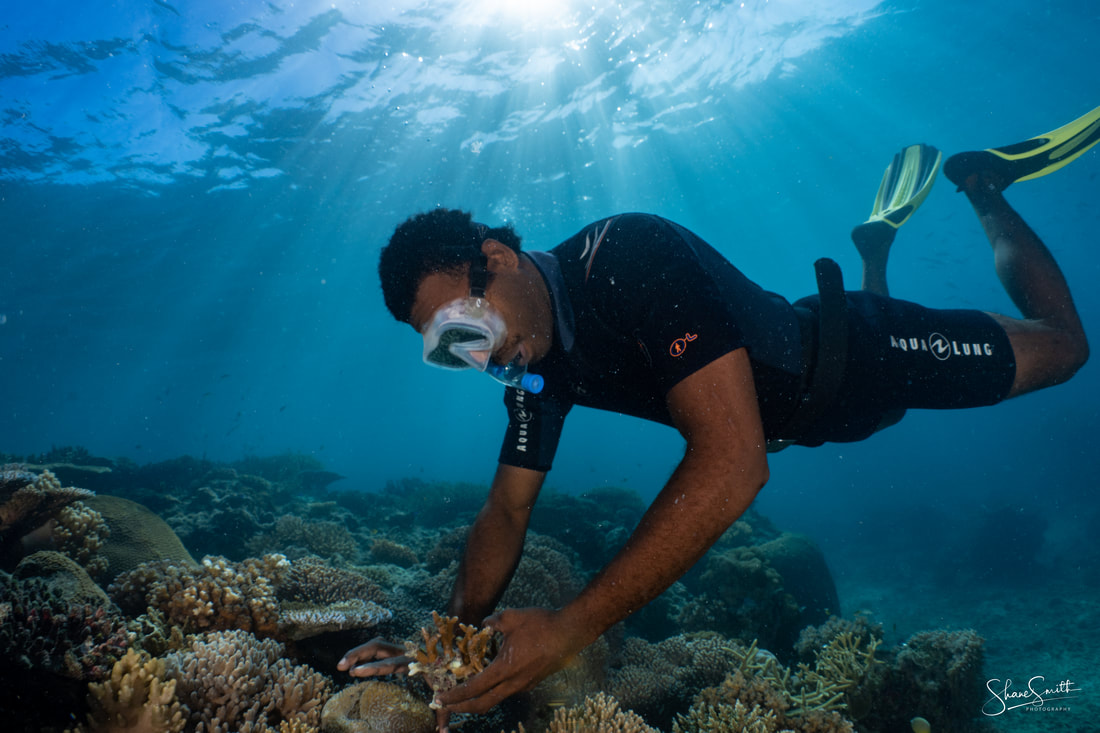
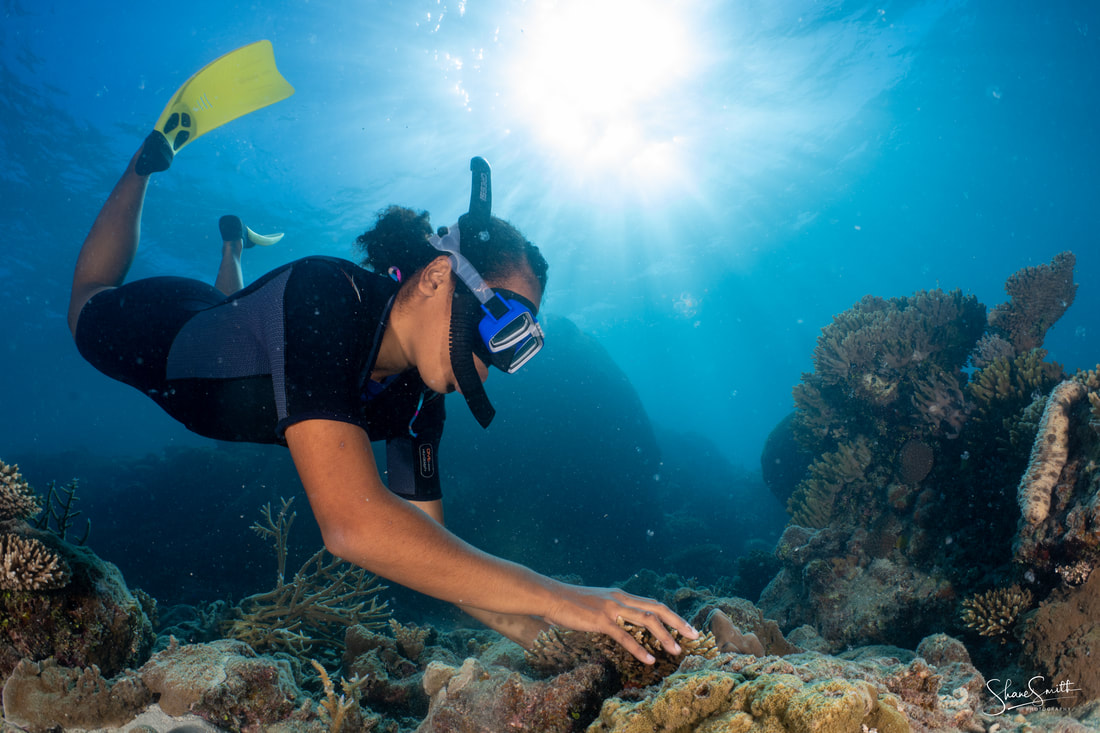
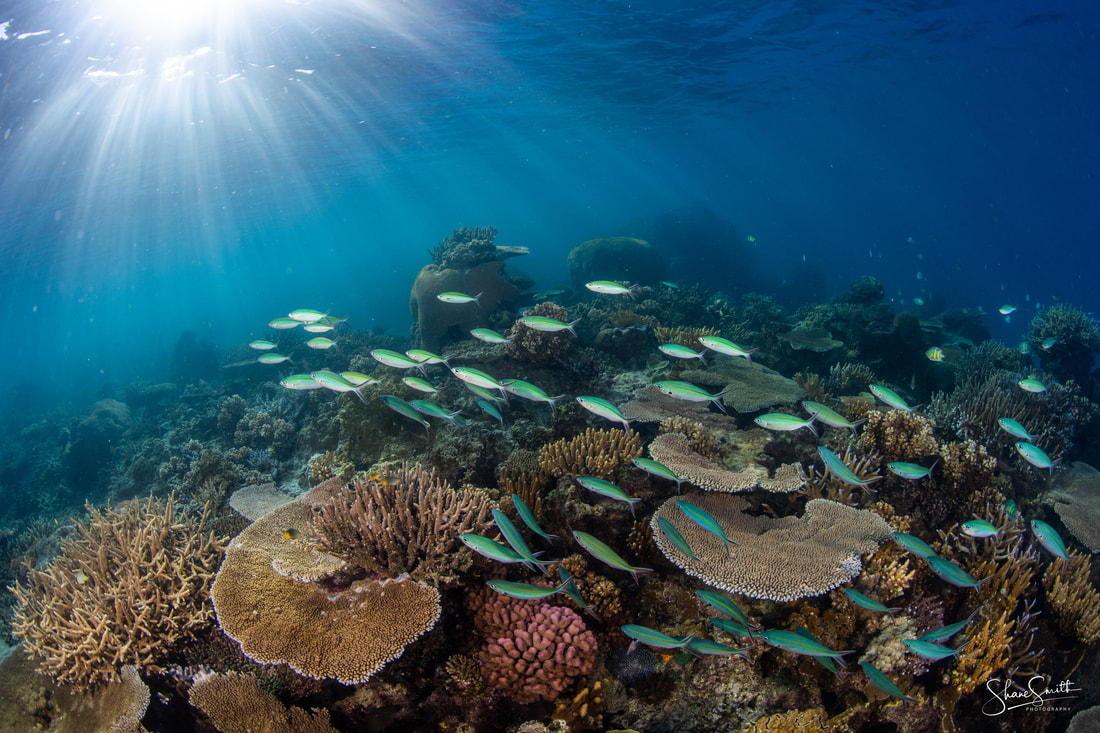
Using a number of different techniques we are gradually increasing the coral cover, structural complexity, and biodiversity of the reefs around Drawaqa. This activity includes Coral Planting, Growing Giant Clams, and Removing Crown of Thorns Starfish (COTS).
Our team have grown and planted over 5,000 corals since 2020, from more than 20 different coral species. The team has also removed over 6,000 (COTS) since 2022.
Mantas
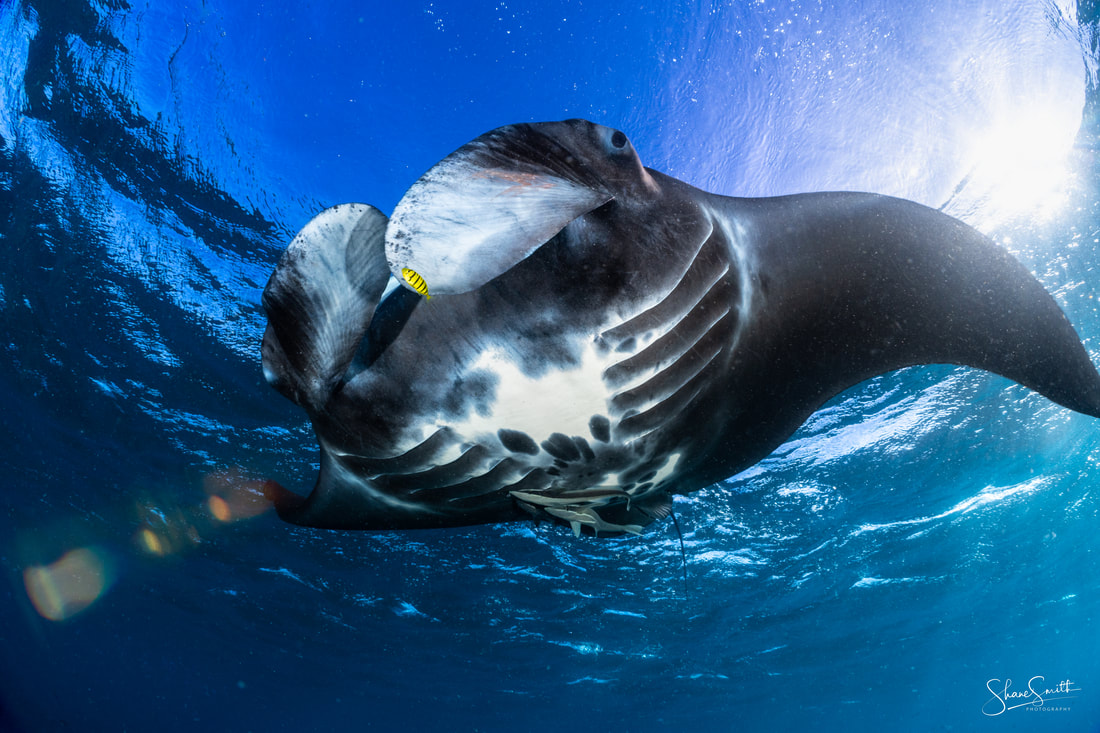
There is a local mobulid ray population that visits the channel to the north of Drawaqa with the best feeding conditions occurring in the dry season. We study their population dynamics, migratory movements, natural behaviours, and impacts from anthropogenic threats.
There have been over 160 individuals identified at the channel since the project began. Our team have also been able to implement drone technology to study tourism impacts, and to measure the mantas. The largest manta measure was 3.9m wingspan, and the smallest was 2.1m.
Education
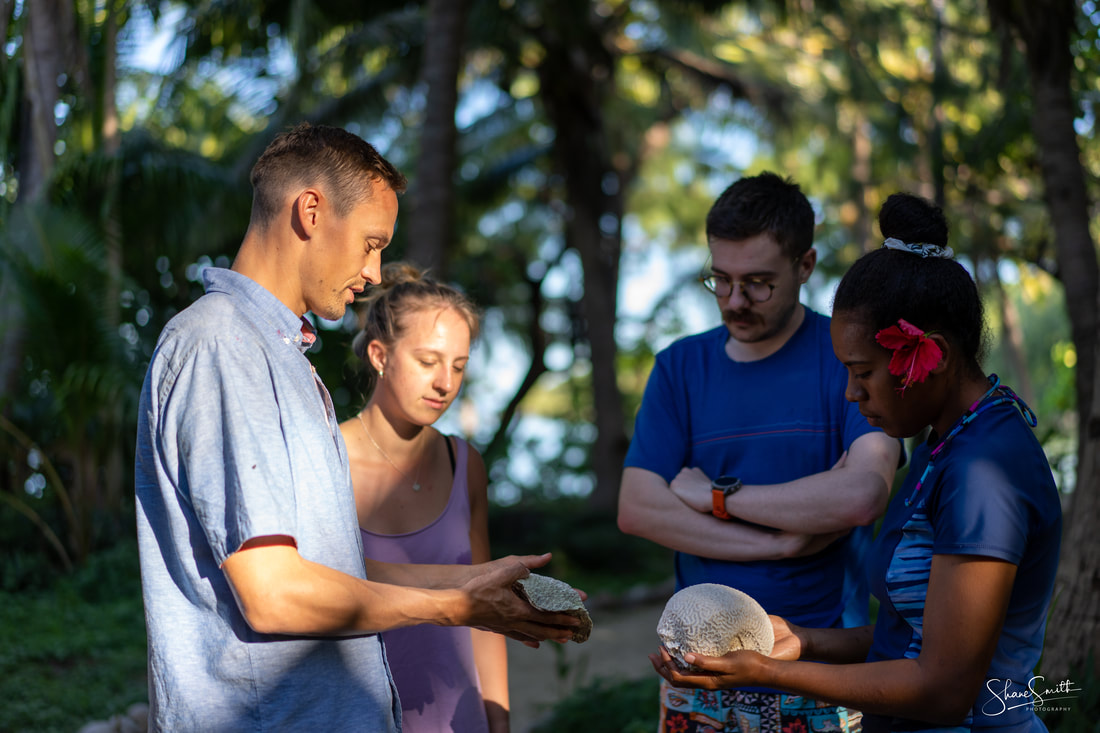
We have established training programs and study trips with our partner universities in Fiji and Australia, in order to provide the necessary environment to nurture the growth of early career conservationists and scientists.
So far 12 Fijian Marine Biologists have been trained through our programs - 10 of these are women, demonstrating our commitment to gender equality inclusion.
Research
Monitoring the health of the reef
We perform regular reef surveys to understand the ecological link between ecosystem management and reef health. Our data have demonstrated that our reefs that are protected from fishing have more grazing fish and less benthic algae than comparison areas, both indicators of healthier reef ecosystems. Or surveys cover the years 2019-2025.
Coastal Sharks and Rays
We have collaborated with shark and ray specialist Kerstin Glaus to implement remote camera and genetic surveying of the environment to monitor the presence of coastal sharks and rays. So far our research has yielded one publication - observing the reproductive behaviour of a Data Deficient stingray species the Oceania Fantail Ray (Taeniura lessoni). We currently have several other papers in the pipeline that are due to be submitted.
Marine Species Catalogue
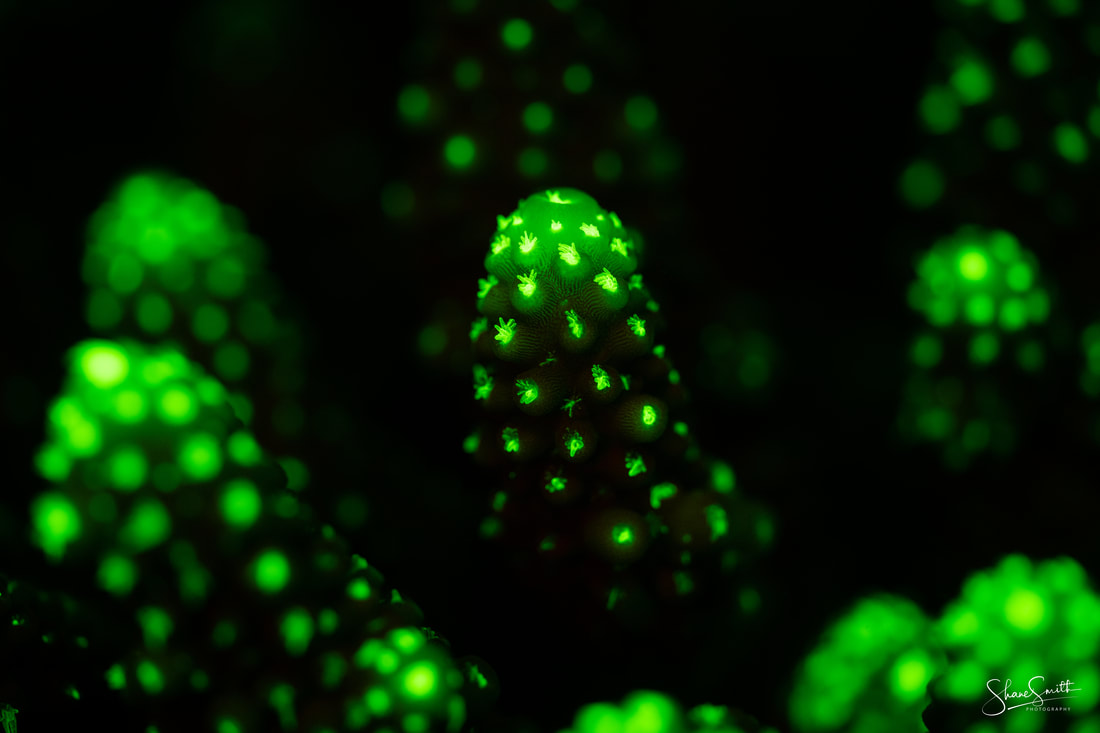
The sheer richness of the habitats around Drawaqa means that new rare and undescribed species are being discovered almost every month - we have created a catalogue that lists all the fish, corals, and other marine invertebrates that can be found around this island. To date over 350 fish species, and over 160 hard coral species have been observed inside the Drawaqa Island Marine Reserve (three times the coral diversity of the Caribbean or Hawaii).
We perform regular reef surveys to understand the ecological link between ecosystem management and reef health. Our data have demonstrated that our reefs that are protected from fishing have more grazing fish and less benthic algae than comparison areas, both indicators of healthier reef ecosystems. Or surveys cover the years 2019-2025.
Coastal Sharks and Rays
We have collaborated with shark and ray specialist Kerstin Glaus to implement remote camera and genetic surveying of the environment to monitor the presence of coastal sharks and rays. So far our research has yielded one publication - observing the reproductive behaviour of a Data Deficient stingray species the Oceania Fantail Ray (Taeniura lessoni). We currently have several other papers in the pipeline that are due to be submitted.
Marine Species Catalogue
The sheer richness of the habitats around Drawaqa means that new rare and undescribed species are being discovered almost every month - we have created a catalogue that lists all the fish, corals, and other marine invertebrates that can be found around this island. To date over 350 fish species, and over 160 hard coral species have been observed inside the Drawaqa Island Marine Reserve (three times the coral diversity of the Caribbean or Hawaii).
Community support
We are looking to improve drinking water supply and sewage treatment for local communities and schools.
In 2024 we provided multiple 10,000L drinking water tanks to Naviti District Primary School. In May 2025 we finished construction on a new toilet/shower facility $150,000FJD